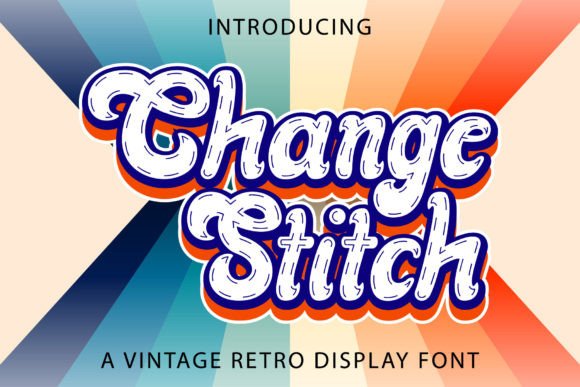
Change Stitch Font: Vintage Style for Handmade Products
As a maker and small business owner, finding the perfect typeface is often about balancing nostalgia with modern production needs. We want our physical products to feel curated and timeless, yet they must remain legible on a shelf or in a digital thumbnail. Change Stitch is a display font that bridges this gap beautifully. It offers a cool, vintage-style aesthetic that feels authentic rather than costumey, making it an exceptional choice for crafters who need their work to stand out in a saturated market. Whether you are designing product labels, wedding stationery, or social media templates, this typeface brings a specific retro charm that elevates perceived value without sacrificing commercial viability.
Elevating Product Packaging and Labels
For handmade sellers, packaging is often the first physical touchpoint a customer has with your brand. The typography you choose sets the tone before the product is even revealed. Change Stitch excels in this space because its letterforms have enough weight to hold ink well on textured papers and uncoated cardstocks. When designing candle labels, soap wrappers, or boutique tags, readability at small sizes is paramount. This font maintains its structural integrity even when scaled down for 2-inch round stickers or narrow hang tags.
The vintage personality of Change Stitch works particularly well for artisanal goods. If you sell homemade jams, organic skincare, or hand-poured candles, this typeface reinforces the "handcrafted" narrative. It avoids the overly polished look of mass-produced corporate fonts while steering clear of the illegibility that plagues many distressed grunge fonts. For product photography mockups, the distinct character shapes create visual interest that stops the scroll, helping your listings perform better in search results where customers are scanning quickly for a specific aesthetic.
Wedding Stationery and Event Signage
Wedding designers know that couples often seek a blend of old-world romance and contemporary clarity. Change Stitch serves as a stunning header font for invitations, welcome signs, and seating charts. Its retro vibe pairs effortlessly with modern minimalist layouts, providing a focal point that feels intentional and stylish. Unlike ornate scripts that can become muddy when cut from vinyl or printed on dark backgrounds, this display font offers clean edges that translate beautifully across different mediums.
Consider using this typeface for large-format applications like acrylic welcome boards or wooden directional signs. The bold nature of the letters ensures visibility from a distance, which is crucial for event wayfinding. For paper goods, it works wonderfully as the primary text for names and dates, while leaving ample negative space for delicate floral illustrations or geometric borders. Because it carries such strong visual weight, you do not need to rely on excessive embellishments to make the design feel complete. This simplicity speeds up production time for stationers handling high-volume custom orders during peak wedding season.
Strategic Font Pairing for Commercial Designs
A standalone display font is powerful, but successful product design relies on harmonious pairing. Change Stitch acts as the anchor in your typographic hierarchy, so your supporting fonts should provide contrast rather than competition. Since this is a stylized vintage face, avoid pairing it with other decorative or novelty fonts. Instead, ground it with a clean, neutral sans serif or a classic serif typeface for body copy.
- With Sans Serif: Pairing Change Stitch with a geometric sans serif creates a modern-retro fusion ideal for tech accessories, apparel, or trendy home decor. The crisp lines of the sans serif balance the nostalgic curves of the display font.
- With Serif: For a more traditional or literary feel, combine it with a high-contrast serif. This combination is perfect for book covers, journal pages, tea packaging, or heritage-style branding.
- With Script: Use a flowing handwritten script sparingly as an accent word nestled against the structured letters of Change Stitch. This adds a personal, human touch to greeting cards and gift tags without overwhelming the layout.
When creating templates for sale, always include these pairing suggestions in your product descriptions. Buyers appreciate guidance on how to maximize the utility of their purchase, and demonstrating versatile combinations increases the perceived value of your design assets.
Technical Considerations for Cutting Machines and Print
For Cricut and Silhouette users, the technical construction of a font matters just as much as its style. Change Stitch is designed with crafting in mind, meaning the paths are generally smooth and optimized for cutting. However, when working with vintage-style display fonts, always test your material settings. Intricate corners or tight counters can sometimes tear on delicate vinyl or cardstock if the blade is dull or the pressure is too high.
If you are using this font for heat transfer vinyl (HTV) on shirts or tote bags, ensure the stroke width is sufficient to adhere properly after washing. While Change Stitch is robust, extremely small text may require slight modifications or welding in your design software to prevent peeling over time. For digital printables and wall art, pay attention to kerning. Vintage fonts often have unique spacing quirks that add to their charm, but manual adjustment may be necessary for all-caps titles to ensure even visual rhythm. Always preview your design at actual print size before committing to a full production run to catch any legibility issues early.
Licensing and Business Best Practices
Using premium fonts responsibly is essential for protecting your handmade business. Before incorporating Change Stitch into items intended for sale, verify the specific license included with your download. Most commercial licenses cover physical end products like mugs, shirts, and printed stationery, but restrictions often apply to digital redistribution. You typically cannot sell the font file itself, nor can you usually offer it as part of a customizable template where the end user accesses the raw font data unless you have secured an extended or app-specific license.
Additionally, check for multilingual support and alternate characters. Having access to ligatures, swashes, or international glyphs can significantly expand your market reach, allowing you to serve clients with non-English names or create bilingual packaging. Keeping your font files organized and backing up your license certificates protects you during platform audits or client inquiries. By treating typography as a professional asset rather than just a decorative element, you build a sustainable, legally compliant creative business that resonates with customers through thoughtful, high-quality design.